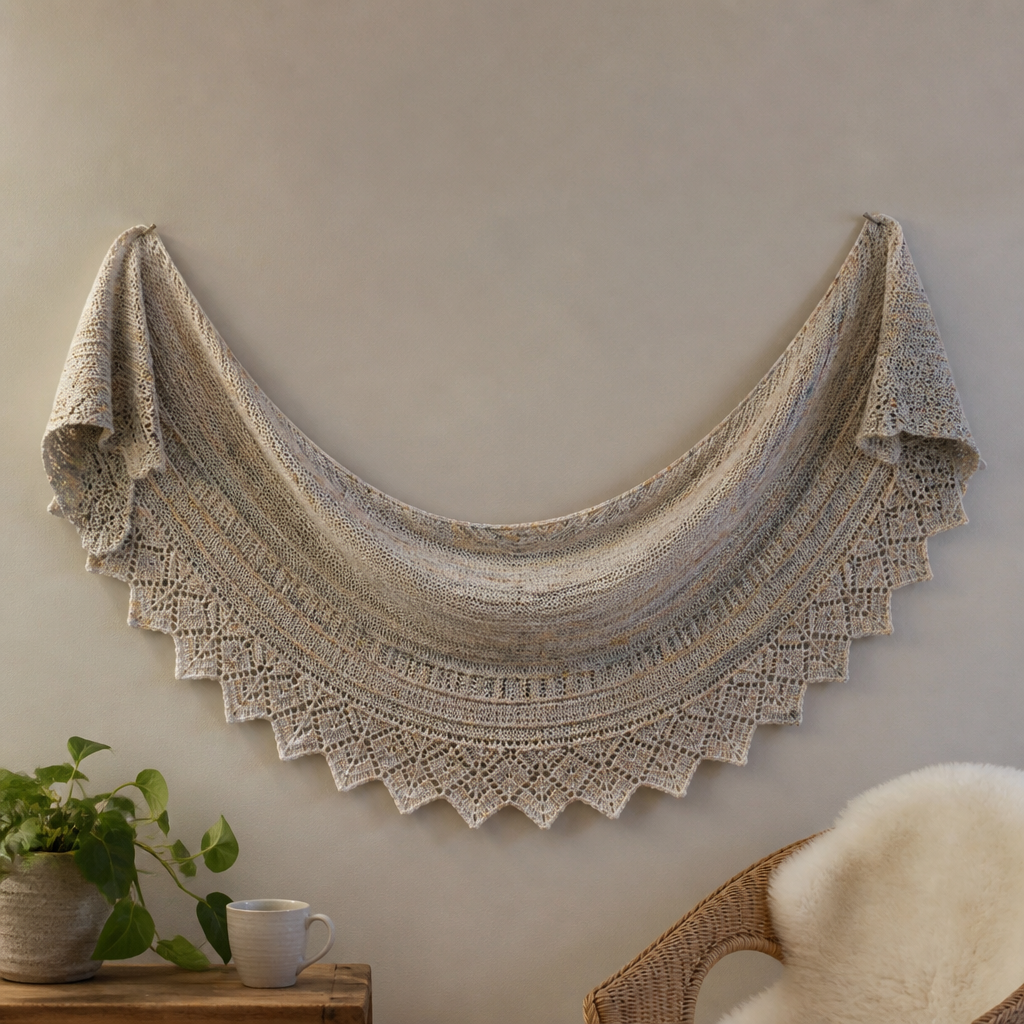
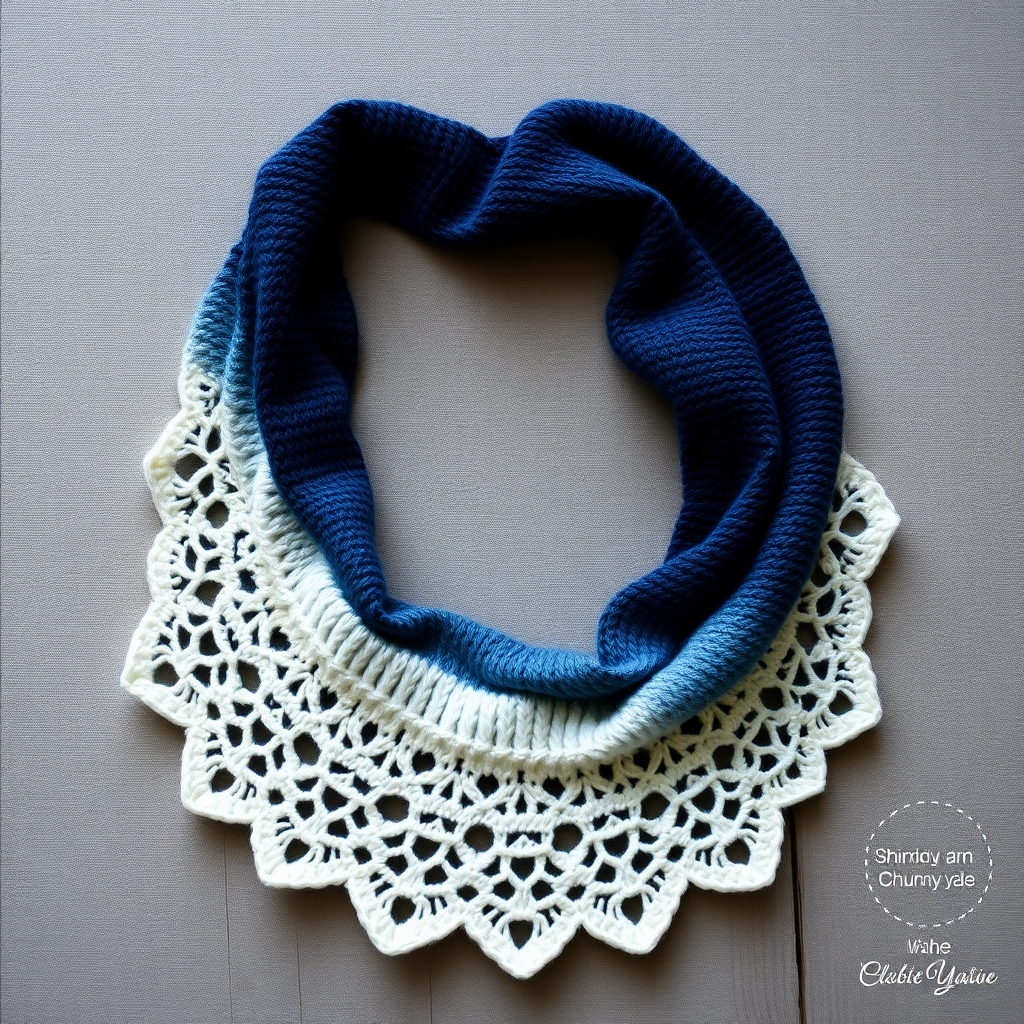
The Dune Drift Asymmetrical Shawl Free Pattern – A Desert Sunset Knit Wrap

The Dune Drift Asymmetrical Shawl: A Desert Sunset Knit Wrap
Wrap yourself in the warm hues of a desert sunset with this uniquely shaped asymmetrical shawl, featuring a mesmerizing gradient of burnt orange, terracotta, and dusty rose. The soft, drapey knit combines garter ridges with delicate lace panels for a modern, artistic accessory that feels like a gentle breeze. This free knitting pattern is perfect for intermediate beginners who want to expand their skills while creating a stunning, wearable piece of art.
Whether you're looking for a cozy layering piece for cool evenings or a statement accessory to elevate a simple outfit, the Dune Drift Shawl delivers. Its asymmetrical design means it drapes beautifully over the shoulder, and the color transitions create a truly one-of-a-kind look. Let's dive into this rewarding project!
Materials Needed
Before you begin, gather the following materials. The quality of your yarn will greatly affect the final drape and feel of your shawl, so choose something soft and luxurious.
Yarn
- Worsted weight yarn in 3 colors (approximately 220 yards each):
- Color A (Burnt Orange) – 220 yds
- Color B (Terracotta) – 220 yds
- Color C (Dusty Rose) – 220 yds
- Suggested: Malabrigo Rios in 'Lettuce', 'Coral', 'Pink Frost' or similar soft, hand-dyed wool. Hand-dyed yarns add beautiful depth and variation to the color transitions.
Needles & Notions
- US 8 (5.0 mm) 32-inch circular knitting needle (or straight needles if preferred – circular needles are recommended to accommodate the growing number of stitches)
- Stitch markers (optional, but helpful for tracking sections)
- Yarn needle for weaving in ends
- Scissors
- Blocking mats and pins (for finishing)
Gauge
18 stitches and 24 rows = 4 inches in garter stitch (after blocking). Gauge is not critical for this project, but it will affect the final size and drape. A looser gauge creates a drapier shawl, while a tighter gauge results in a more structured piece.
Step-by-Step Instructions
This shawl is worked flat from the top center point outward, increasing on one side to create the asymmetrical shape. The pattern combines garter stitch sections with a simple lace repeat for visual interest. Don't be intimidated by the lace – it's just yarn overs and decreases that create beautiful openwork.
Abbreviations
- K = knit
- P = purl
- K2tog = knit two together (decrease)
- YO = yarn over (increase)
- Sl1 = slip one stitch purlwise
- Kfb = knit front and back (increase)
- RS = right side
- WS = wrong side
Setup
With Color A, cast on 3 stitches using your preferred method (long-tail cast on works well).
Row 1 (RS): Kfb, K to last stitch, Kfb. (5 stitches)
Row 2 (WS): Knit all stitches.
You've just completed your first increase row! Notice how the Kfb at both ends adds 2 stitches each RS row, creating the triangular shape.
Increase Section (Garter Stitch)
Repeat Rows 3-4 until you have 45 stitches on your needle. This section establishes the garter stitch base of your shawl.
Row 3 (RS): Kfb, K to last stitch, Kfb. (increase 2)
Row 4 (WS): Knit all stitches.
Tip: Count your stitches after each RS row to ensure you're on track. You should have an odd number of stitches after each increase row.
Lace Panel Introduction
Once you have 45 stitches, you'll begin incorporating the lace pattern. This adds beautiful texture and visual interest to the shawl.
Row 5 (RS): Kfb, K1, YO, K2tog, K to last 4 stitches, YO, K2tog, K2. (increase 2)
Row 6 (WS): Knit all stitches.
Row 7 (RS): Kfb, K to last 4 stitches, YO, K2tog, K2. (increase 2)
Row 8 (WS): Knit all stitches.
Repeat Rows 5-8 until you have 75 stitches, ending with a WS row. The YO and K2tog pairs create the delicate lace holes that run vertically through the shawl.
Understanding the lace: The YO creates an extra loop on the needle (an increase), and the K2tog decreases two stitches into one. Together, they maintain the stitch count while creating an opening in the fabric.
Color Transition to Color B
When you reach 75 stitches, it's time to switch to Color B (Terracotta). Simply cut Color A, leaving a 6-inch tail for weaving in later, and start knitting with Color B.
Continue the same increase pattern (Rows 5-8) until you have 105 stitches, ending with a WS row. The color transition will create a beautiful gradient effect as the terracotta blends with the burnt orange.
Switch to Color C
Now switch to Color C (Dusty Rose) using the same method. Continue the same increase pattern (Rows 5-8) until you have 135 stitches, ending with a WS row.
At this point, your shawl should be showing a beautiful progression from deep burnt orange through warm terracotta to soft dusty rose. The lace panels continue seamlessly through the color changes.
Final Lace Edge (Optional but Beautiful)
This final section adds a more open, airy lace pattern across the entire shawl while maintaining the increases. It creates a gorgeous scalloped edge that catches the light beautifully.
Row 1 (RS): Kfb, *K2tog, YO* repeat from * to * until last 3 stitches, K3. (increase 2)
Row 2 (WS): Knit all stitches.
Row 3 (RS): Kfb, K to last 4 stitches, YO, K2tog, K2. (increase 2)
Row 4 (WS): Knit all stitches.
Repeat these 4 rows until you have 165 stitches, ending with a WS row. The alternating K2tog/YO pattern creates a more open, lacy fabric that contrasts beautifully with the denser garter stitch sections.
Note: When you see the asterisks (*), it means repeat the instructions between them. So *K2tog, YO* means knit two together, yarn over, then repeat that sequence until you reach the last 3 stitches.
Bind Off (Loosely)
This is a crucial step – a tight bind-off will ruin the drape of your shawl. On the RS, bind off all stitches knitwise, but do not pull tight. Use a larger needle (US 10 or 10.5) or a crochet hook to bind off if needed to keep the edge stretchy.
Pro tip: To bind off loosely, work each stitch normally but keep the tension very relaxed. If you're using a crochet hook, you can work a single crochet bind off for extra stretch.
Finishing
Weave in all ends using a yarn needle. Be sure to weave in securely but not so tightly that it puckers the fabric.
Blocking (Essential for Lace):
- Soak the shawl in lukewarm water with a drop of wool wash for 20 minutes. This allows the fibers to relax and the lace to open up.
- Gently squeeze out excess water (do not wring – this can felt the wool).
- Lay flat on a towel and roll up to remove more water.
- Lay flat to dry on blocking mats, gently stretching the shawl to its full dimensions and shaping the points.
- Use blocking pins to secure the edges, especially the lace sections, to open up the pattern.
The asymmetrical shape means one side will be longer than the other – this is intentional and creates the modern drape. Don't try to even it out; embrace the unique silhouette!
Wearing Your Dune Drift Shawl
This shawl is incredibly versatile. The asymmetrical design means you can drape it over one shoulder for an elegant evening look, or wrap it around your neck like a scarf for casual warmth. The gradient colors make it a statement piece that pairs beautifully with neutral outfits – think cream, beige, or denim.
The soft worsted weight yarn makes it substantial enough for cool spring and fall days, while the lace panels keep it from feeling too heavy. It also makes a wonderful gift for someone special – the hand-dyed yarn and thoughtful design show how much you care.
I hope you enjoy knitting this shawl as much as I enjoyed designing it. The rhythmic repetition of the lace pattern is meditative, and watching the colors transition is deeply satisfying. Happy knitting!