The Shifting Dune Plaid Blanket: A Free Knitting Pattern for a Modern, Textured Throw

The Shifting Dune Plaid Blanket: A Modern Knitting Pattern
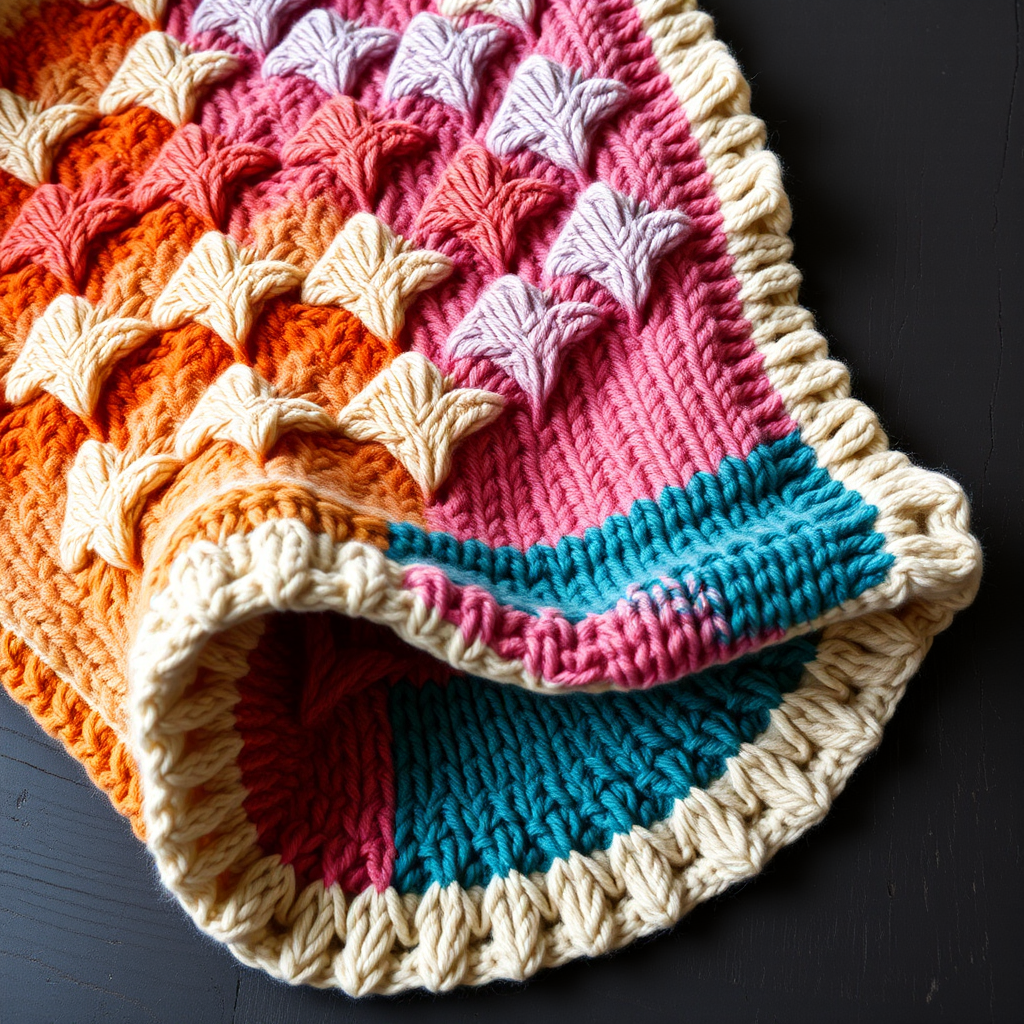
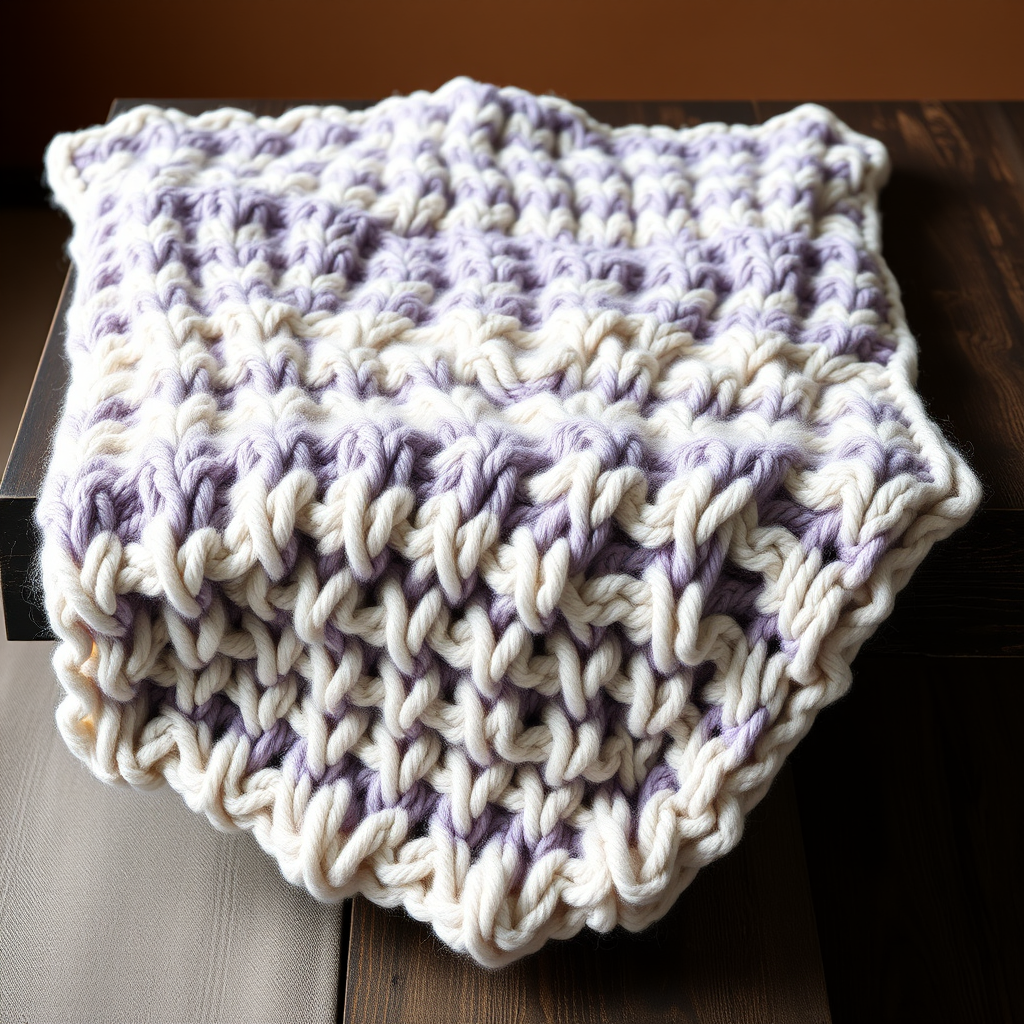
This isn't your grandmother's plaid. The Shifting Dune Blanket uses a unique slipped-stitch technique to create a woven, heathered plaid effect that's incredibly soft and modern. Knit in a neutral palette of sand, stone, and fog, it's the perfect cozy accent for any contemporary home. The slipped stitches create a subtle, textural plaid that looks far more complex than it actually is, making this an ideal project for adventurous beginners and experienced knitters alike.
Materials Needed
- Yarn: Worsted weight yarn (Category 4). Sample uses:
- Color A (Sand): 4 skeins
- Color B (Stone): 3 skeins
- Color C (Fog): 3 skeins
- Needles: US Size 8 (5.0 mm) knitting needles, or size needed to obtain gauge.
- Notions: Tapestry needle for weaving ends.
Gauge
18 stitches and 24 rows = 4 inches (10 cm) in Stockinette stitch, after blocking. Take time to check your gauge for best results.
Step-by-Step Instructions
Pattern Notes
- The plaid pattern is created by working a slipped-stitch pattern over a two-color repeat.
- The blanket is worked flat in one piece.
- Carry the unused color loosely up the side of the work to avoid tight edges.
- When slipping stitches, always slip as if to purl unless otherwise specified.
Pattern Stitch (Multiple of 4 + 2 stitches)
Row 1 (RS): With Color A, knit all stitches.
Row 2 (WS): With Color A, purl all stitches.
Row 3 (RS): With Color B, *slip 1 wyib (with yarn in back), k3; repeat from * to last 2 sts, slip 1 wyib, k1.
Row 4 (WS): With Color B, *slip 1 wyif (with yarn in front), p3; repeat from * to last 2 sts, slip 1 wyif, p1.
Row 5 (RS): With Color A, knit all stitches.
Row 6 (WS): With Color A, purl all stitches.
Row 7 (RS): With Color C, k1, *k3, slip 1 wyib; repeat from * to last st, k1.
Row 8 (WS): With Color C, p1, *p3, slip 1 wyif; repeat from * to last st, p1.
Blanket Body
- Cast On: With Color A, cast on 150 stitches using your preferred method (long-tail cast-on works well).
- Work Pattern: Work Rows 1-8 of the Pattern Stitch, repeating the 8-row sequence continuously until the blanket measures approximately 55 inches from the cast-on edge. Important: End after a Row 2 or Row 6 (a solid row with Color A) to ensure the pattern aligns properly.
- Bind Off: Bind off loosely in pattern with Color A. To bind off in pattern: knit the first stitch, *knit the next stitch, pass the first stitch over the second; repeat from * until one stitch remains, cut yarn and pull through last loop.
Finishing
- Weave in Ends: Using a tapestry needle, carefully weave in all yarn ends on the wrong side of the blanket. Weave in at least 4-6 inches of each tail to secure.
- Blocking: Block the blanket to size by soaking in cool water with a mild wool wash, gently squeeze out excess water (do not wring), and lay flat to dry on towels or a blocking mat. Gently stretch to open up the slipped-stitch texture and even out the plaid effect. Pin edges if desired for a more defined rectangular shape.
- Final Touch: Once completely dry, your Shifting Dune Plaid Blanket is ready to drape over a sofa, bed, or favorite reading chair. The slipped stitches will create a beautiful, heathered plaid that looks woven but is entirely knitted.