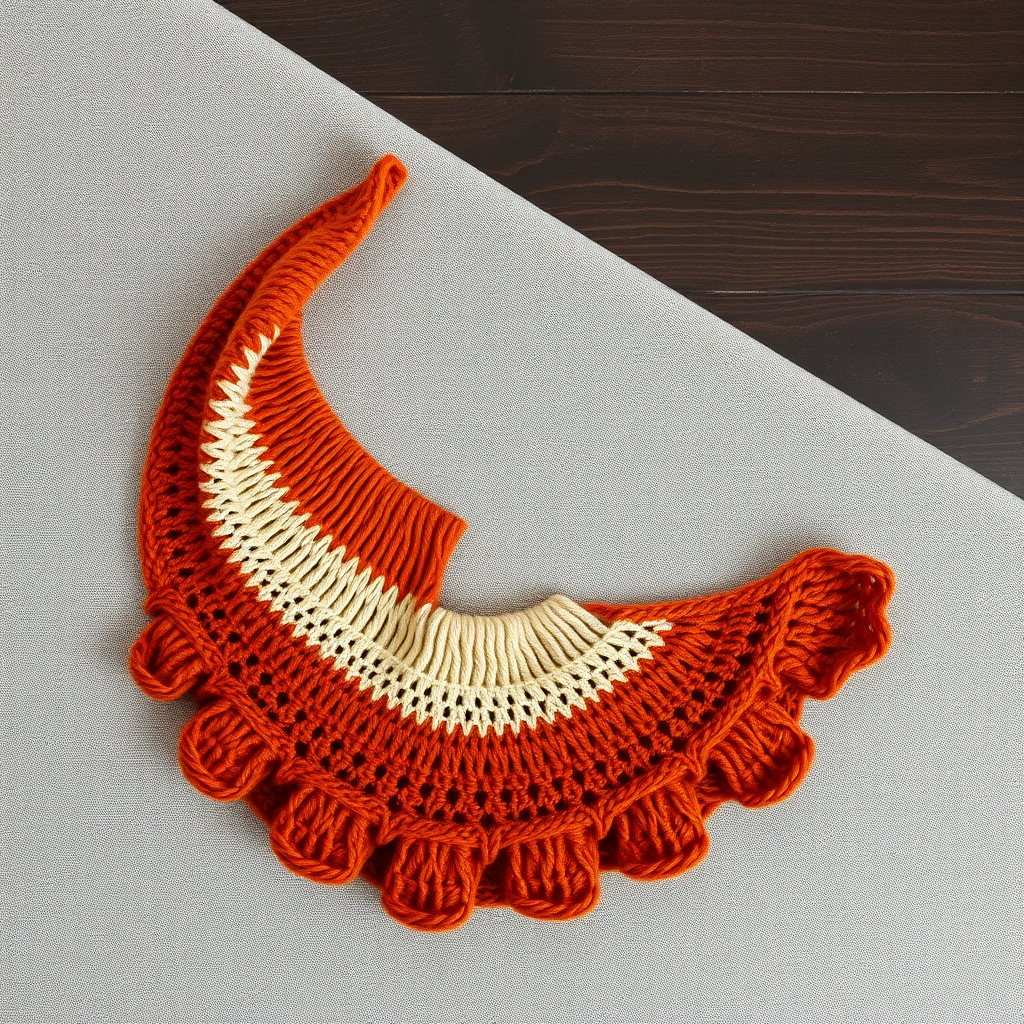
Aurora Dune Wrap Free Pattern – Knit a Shifting Gradient Shawl

Introducing the Aurora Dune Wrap: A Knitted Gradient Shawl
Wrap yourself in the mesmerizing hues of a desert sunset with this gradient knit shawl. The textured ripple stitch mimics the rolling sand dunes, creating a cozy and artistic accessory that transitions beautifully from terracotta to dusty rose to sand. This free pattern is perfect for intermediate knitters looking to expand their skills with color changes and lace-like increases, while still being accessible to confident beginners who want a rewarding project. The result is a flowing, triangular shawl that drapes elegantly and showcases the intricate stitch texture.
Materials Needed
Before you begin, gather the following supplies to ensure a smooth knitting experience:
- Yarn: Fingering weight yarn in 3 colors (e.g., Color A: Terracotta, Color B: Dusty Rose, Color C: Sand) – 400g total. Choose a soft, breathable fiber like merino or a merino blend for the best drape.
- Needle: US 6 (4.0 mm) circular knitting needle with a 32-inch cable. The long cable is essential to accommodate the increasing number of stitches as the shawl grows.
- Gauge: 20 stitches and 28 rows = 4 inches in stockinette stitch (blocked). Gauge is important for achieving the correct size and drape, so take a moment to knit a swatch.
- Notions: Stitch markers (at least 2), a tapestry needle for weaving in ends, and blocking pins for the finishing process.
Step-by-Step Instructions
This shawl is worked from the top center down, increasing at the edges and center to form a triangle. Follow these detailed instructions carefully, and you'll have a stunning wrap in no time.
Getting Started: Cast On and Initial Rows
Notes: The shawl is worked from the top center down, increasing at the edges and center. Use a stitch marker to mark the center stitch. This will help you keep track of your increases and ensure symmetry.
Cast On: With Color A (Terracotta), cast on 5 stitches using your preferred method (long-tail cast on works well).
Row 1 (Right Side): K2, yo, k1, yo, k2. (You will now have 7 stitches on your needle.)
Row 2 (Wrong Side): Knit all stitches. (This creates a garter stitch edge.)
Row 3: K2, yo, k1, yo, k1, yo, k1, yo, k2. (11 stitches)
Row 4: Knit all stitches.
Begin the Ripple Pattern
Now you'll start the main ripple stitch pattern. This pattern creates the wavy, dune-like texture. The increases (yo) are balanced by decreases (k2tog and ssk) to maintain the stitch count while adding width at the edges and center.
Row 5 (RS): K2, yo, *k1, yo, k2tog, yo, k1, yo, ssk, yo, k1, yo*; repeat from * to * until 2 stitches remain, k2. (This row increases 4 stitches per repeat.)
Row 6 (WS): Purl all stitches.
Row 7 (RS): K2, yo, *k1, yo, k2tog, yo, k1, yo, ssk, yo, k1, yo*; repeat from * to * until 2 stitches remain, k2.
Row 8 (WS): Purl all stitches.
Important: The pattern repeat is between the asterisks (* *). The "k2, yo" at the beginning and "k2" at the end are your edge stitches, which create a neat garter stitch border. The center stitch is not explicitly marked in the pattern, but you should place a marker on the center stitch after Row 3 to help you visualize the symmetry. As you repeat Rows 5-8, the number of stitches between the edge stitches will grow, but the pattern repeat remains the same.
Color Changes and Length
Repeat Rows 5-8, changing colors every 20 rows in this order:
- Color A (Terracotta) for 20 rows
- Color B (Dusty Rose) for 20 rows
- Color C (Sand) for 20 rows
- Repeat the sequence once more (Color A, Color B, Color C)
Continue this pattern until the shawl measures approximately 30 inches from the center cast-on edge, ending with a wrong-side row (a purl row). To change colors, simply drop the old color and start knitting with the new color at the beginning of a right-side row. Weave in the ends as you go or leave them for the finishing stage.
Edging and Finishing
Edging: With Color C (Sand), knit 4 rows of garter stitch (knit every row) across all stitches. This creates a clean, sturdy border that prevents the shawl from curling.
Bind Off: Bind off loosely to maintain the stretchy edge. A stretchy bind-off method, such as the "knit two together" bind-off or a sewn bind-off, is recommended to ensure the edge doesn't pull.
Finishing: Weave in all loose ends using a tapestry needle. Block the shawl gently to open up the lace and enhance the ripple effect. Pin the shawl to its final dimensions on a blocking mat, mist with water, and allow it to dry completely. This step is crucial for showcasing the beautiful stitch definition and the smooth gradient transitions.
Once dry, your Aurora Dune Wrap is ready to wear. Drape it over your shoulders for a cozy, artistic accessory that captures the beauty of a desert sunset. Happy knitting!