Ember Dune Crescent Shawl Free Pattern – Knit a Desert Sunset Wrap
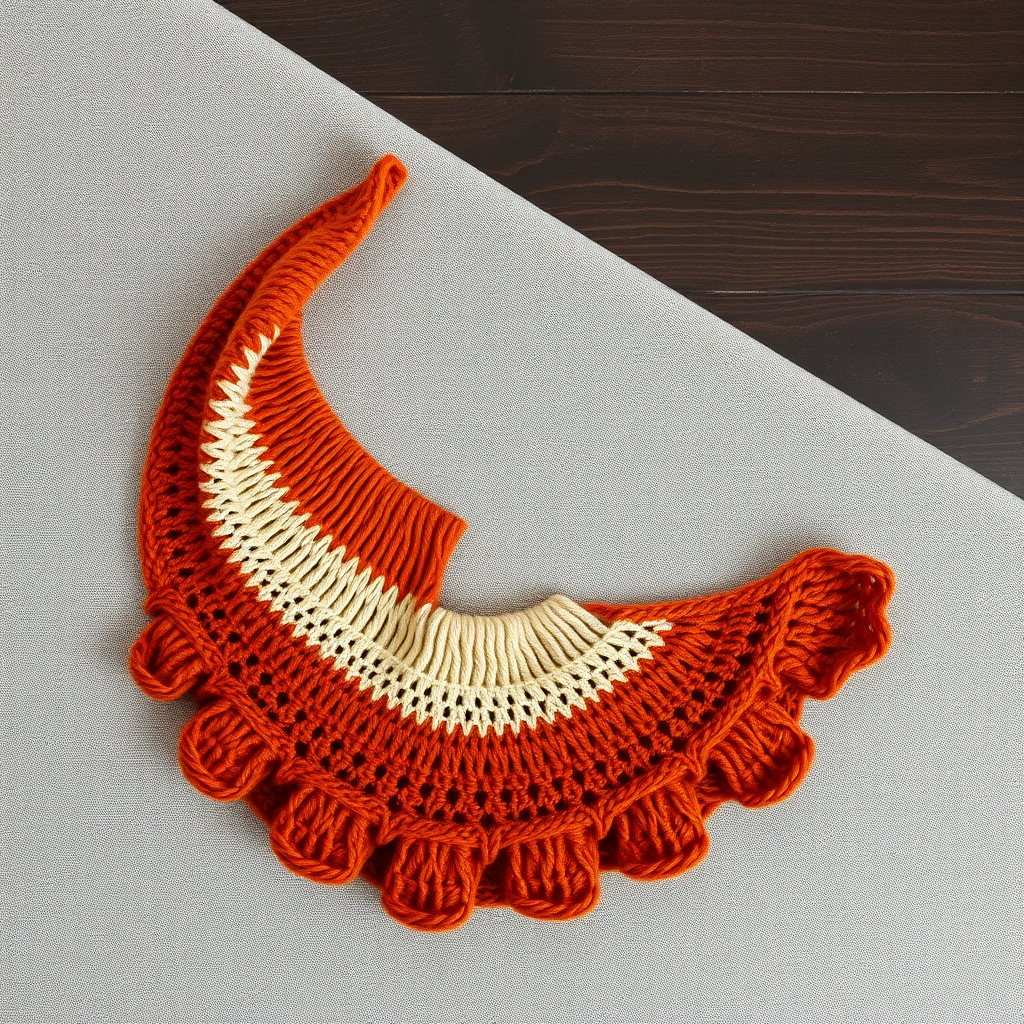
Ember Dune Crescent Shawl Free Pattern – Knit a Desert Sunset Wrap
Wrap yourself in the shifting hues of a desert sunset with this crescent-shaped knitted shawl, featuring a mesmerizing gradient of burnt orange, deep terracotta, and soft sand. The textured lace and garter stitch blend creates a drapey, cozy accessory that transitions beautifully from cool mornings to warm evenings. This free pattern is perfect for intermediate knitters looking to expand their skills while creating a stunning, wearable piece of art.
This crescent shawl is knitted from the top center outwards, increasing at the edges to create a gentle curve. The pattern uses a combination of garter stitch, stockinette, and a simple lace repeat that is easy to memorize yet produces a sophisticated, textured fabric. Whether you're a seasoned knitter or a confident beginner ready for a challenge, this pattern offers a rewarding project with breathtaking results.
Materials Needed
Before you begin, gather the following materials to ensure a smooth knitting experience:
- Yarn: Worsted weight yarn in 3 colors:
- Color A (Burnt Orange) – approx. 150g
- Color B (Terracotta) – approx. 130g
- Color C (Sand) – approx. 120g
- Needle: US 8 (5.0 mm) circular knitting needle, 32-inch or longer (to accommodate the growing number of stitches)
- Notions: Stitch markers (at least 2), tapestry needle for weaving in ends, blocking pins and mats
- Gauge: 18 stitches and 24 rows = 4 inches in stockinette stitch (blocked). Gauge is important for achieving the correct drape and size, so take a moment to swatch!
Step-by-Step Instructions
This pattern is worked from the top center of the shawl downwards. The increases at both edges create the crescent shape. Follow the instructions carefully, and don't forget to enjoy the rhythmic flow of the stitches.
Abbreviations
- K = knit
- P = purl
- K2tog = knit two together (decrease)
- YO = yarn over (increase)
- Sl1 = slip one stitch purlwise
- PM = place marker
- SM = slip marker
- RS = right side
- WS = wrong side
Setup Section
With Color A, cast on 5 stitches.
- Row 1 (RS): K2, YO, K1, YO, K2. (7 stitches)
- Row 2 (WS): K2, P3, K2.
- Row 3 (RS): K2, YO, K3, YO, K2. (9 stitches)
- Row 4 (WS): K2, P5, K2.
- Row 5 (RS): K2, YO, K5, YO, K2. (11 stitches)
- Row 6 (WS): K2, P7, K2.
Increase Section (Garter Stitch)
Continue in garter stitch (knit every row), increasing 2 stitches every RS row as follows:
- Row 7 (RS): K2, YO, knit to last 2 stitches, YO, K2.
- Row 8 (WS): Knit all stitches.
Repeat Rows 7-8 until you have 51 stitches on the needle, ending with a WS row. This section creates the solid, textured base of the shawl and establishes the crescent shape.
Lace Section
Now begin the lace pattern, while continuing the edge increases on RS rows. The lace repeat is simple: a combination of yarn overs and knit-two-togethers that create delicate eyelet holes.
- Row 1 (RS): K2, YO, *K2tog, YO* repeat from * to * until 3 stitches remain, K1, YO, K2. (Increase 2 stitches)
- Row 2 (WS): K2, Purl to last 2 stitches, K2.
- Row 3 (RS): K2, YO, *YO, K2tog* repeat from * to * until 3 stitches remain, K1, YO, K2. (Increase 2 stitches)
- Row 4 (WS): K2, Purl to last 2 stitches, K2.
Repeat Rows 1-4 until the shawl measures approximately 12 inches from the cast-on edge, ending with a WS row. You should have about 123 stitches. The alternating YO/K2tog patterns create a subtle, rhythmic lace that is both airy and structured.
Color Transition to Color B
At the beginning of the next RS row, switch to Color B (Terracotta). Continue the lace pattern as established, working the edge increases on every RS row as before. The color change will create a beautiful, gradual transition reminiscent of a sunset.
Work with Color B for 10 inches, ending with a WS row. You should have about 195 stitches.
Final Section with Color C
Switch to Color C (Sand). Continue the lace pattern for another 8 inches, ending with a WS row. You should have about 251 stitches. The sand color at the bottom edge will ground the shawl and complete the desert sunset gradient.
Edging
The edging is a simple repeat of the lace pattern, worked once more to create a finished, slightly ruffled edge that complements the increases.
- Row 1 (RS): K2, YO, *K2tog, YO* repeat from * to * until 3 stitches remain, K1, YO, K2.
- Row 2 (WS): K2, Purl to last 2 stitches, K2.
- Row 3 (RS): K2, YO, *K2tog, YO* repeat from * to * until 3 stitches remain, K1, YO, K2.
- Row 4 (WS): Bind off loosely purlwise (or use a stretchy bind-off like Jeny's Surprisingly Stretchy Bind-Off for maximum elasticity).
Finishing
Weave in all ends carefully with a tapestry needle, making sure to secure them within the stitches so they don't show on the right side. Block the shawl gently to open up the lace and shape the crescent. Pin out the edges to create a smooth curve, paying special attention to the points where the color changes occur. Allow to dry completely before removing the pins.
Your Ember Dune Crescent Shawl is now complete! This stunning wrap is perfect for cool evenings, layering over a simple dress, or adding a pop of earthy color to any outfit. The gradient of burnt orange, terracotta, and sand will remind you of warm desert evenings every time you wear it. Happy knitting!


